Healthcare Innovation: Breakthroughs Impacting 1 Million US Patients by 2026

Advertisements
Driven by breakthroughs in AI-powered diagnostics, personalized gene therapies, and continuous remote monitoring, U.S. healthcare innovations are scaling rapidly to impact over one million patients in 2026.
Here is what changed, why it matters, and what key metrics to watch next.
Advertisements
The Rise of Personalized Medicine and Genomics
Personalized medicine, driven by advancements in genomics, stands as a cornerstone of future healthcare.
This approach tailors medical treatment to each patient’s individual characteristics, including their genetic makeup, environment, and lifestyle.
The ability to analyze an individual’s genome allows for more precise diagnoses and the development of highly targeted therapies, minimizing side effects and increasing treatment success rates.
Advertisements
This shift from a ‘one-size-fits-all’ model to highly individualized care represents a monumental leap in medical practice.
By 2026, personalized medicine is expected to directly benefit hundreds of thousands of US patients, particularly in oncology, rare diseases, and pharmacogenomics, optimizing drug prescriptions based on genetic profiles.
Genomic Sequencing Driving Precision Treatments
Rapid and affordable genomic sequencing is now enabling clinicians to identify specific genetic mutations that contribute to diseases.
This capability is paramount in guiding treatment decisions for cancers and other complex conditions, leading to more effective interventions.
For example, in cancer care, identifying a tumor’s unique genetic signature allows oncologists to select therapies that specifically target those mutations, rather than relying on broad-spectrum chemotherapy.
This precision can significantly improve patient outcomes and reduce unnecessary toxicity.
- Enhanced diagnostic accuracy for complex diseases.
- Tailored drug therapies based on individual genetic profiles.
- Reduced adverse drug reactions through pharmacogenomics.
Gene Editing Technologies: CRISPR and Beyond
Gene editing technologies, most notably CRISPR, are moving from experimental stages to clinical trials, offering the potential to correct genetic defects at their source.
This groundbreaking technology could revolutionize the treatment of inherited diseases.
Early applications are focusing on conditions like sickle cell anemia, cystic fibrosis, and certain types of blindness.
While challenges remain, the promise of permanently curing genetic disorders is a powerful driver of Healthcare Innovation Breakthroughs.
The ethical considerations and long-term effects of gene editing are subjects of ongoing research and public discourse, yet its therapeutic potential is undeniable for future Healthcare Innovation Breakthroughs.
Artificial Intelligence and Machine Learning in Diagnostics
Artificial intelligence (AI) and machine learning (ML) are transforming diagnostic processes, offering unprecedented accuracy and speed in identifying diseases.
These technologies can analyze vast amounts of medical data, from imaging scans to patient records, with capabilities far exceeding human capacity.
AI-powered diagnostic tools are already demonstrating superior performance in detecting subtle abnormalities that might be missed by the human eye, particularly in radiology and pathology.
This leads to earlier diagnoses and, consequently, more timely and effective interventions.
The integration of AI into clinical workflows is set to significantly impact patient care, making diagnoses more consistent, efficient, and accessible across the US healthcare system.
AI-Enhanced Medical Imaging Analysis
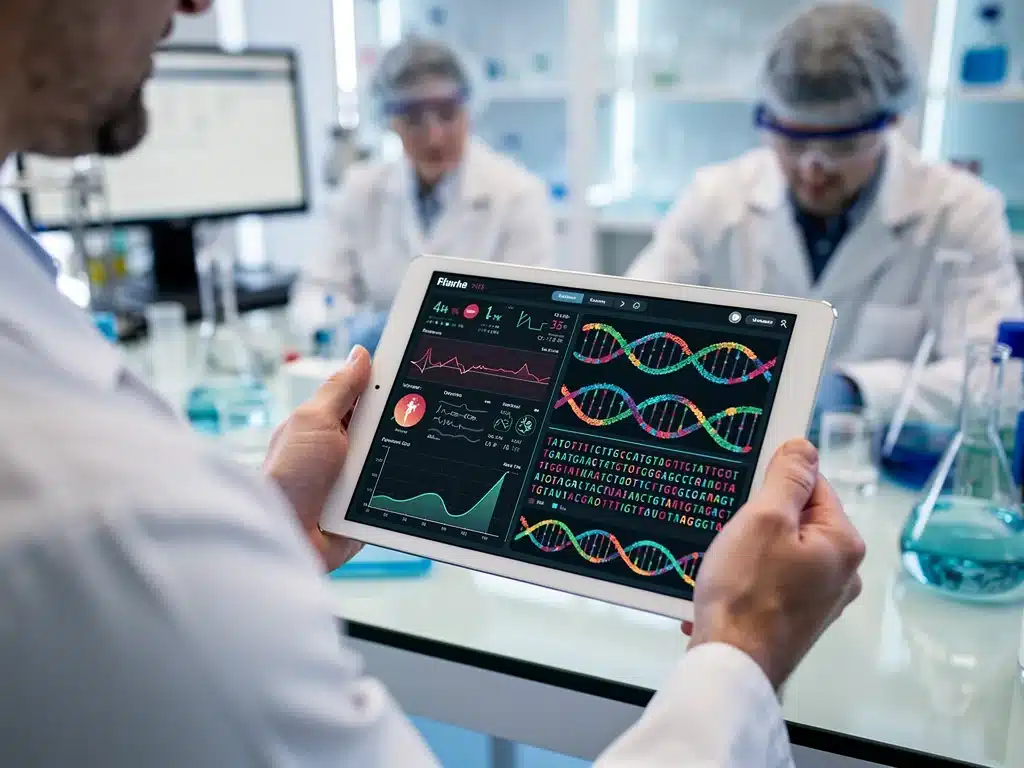
AI algorithms are proving invaluable in analyzing medical images such as X-rays, MRIs, and CT scans.
They can quickly identify patterns indicative of diseases like cancer, diabetic retinopathy, and neurological conditions with remarkable precision.
This capability not only speeds up the diagnostic process but also reduces the burden on radiologists, allowing them to focus on more complex cases.
The consistent application of AI in imaging ensures a higher standard of diagnostic quality across different healthcare settings.
- Faster and more accurate detection of diseases from scans.
- Reduced workload for human radiologists.
- Improved consistency in diagnostic reporting.
Predictive Analytics for Disease Prevention
Beyond diagnosis, AI and ML are being used for predictive analytics, identifying individuals at high risk of developing certain diseases before symptoms even appear. This proactive approach to healthcare emphasizes prevention over treatment.
By analyzing a combination of genetic data, lifestyle factors, and electronic health records, AI can flag patients who would benefit most from early interventions or lifestyle modifications.
This paradigm shift towards preventive care is a key aspect of Healthcare Innovation Breakthroughs.
Such predictive capabilities hold immense potential for managing chronic diseases like diabetes and heart disease, ultimately improving population health outcomes and reducing long-term healthcare costs.
Advanced Robotics and Automation in Surgery
Robotic-assisted surgery has emerged as a transformative force in the operating room, offering surgeons enhanced precision, control, and visualization.
These systems enable minimally invasive procedures, leading to smaller incisions, reduced pain, and faster recovery times for patients.
The integration of robotics extends beyond surgery to automation in various hospital tasks, improving efficiency and reducing the risk of human error.
This technological leap is making complex procedures safer and more accessible to a broader patient population.
By 2026, the widespread adoption of advanced robotics is projected to significantly improve surgical outcomes for a substantial number of US patients, solidifying its role in Healthcare Innovation Breakthroughs.
Surgical Robotics Enhancing Precision and Recovery
Robotic systems like the da Vinci Surgical System allow surgeons to perform intricate operations with unparalleled dexterity, often through tiny incisions.
This translates to less blood loss, lower infection rates, and shorter hospital stays.
Patients undergoing robotic-assisted procedures for conditions such as prostatectomy, hysterectomy, and cardiac surgery often experience quicker returns to daily activities.
The continuous evolution of these platforms promises even greater capabilities and broader applications.
- Minimally invasive procedures with smaller incisions.
- Reduced patient discomfort and faster recovery periods.
- Enhanced surgical precision and reduced complications.
Automation in Hospital Logistics and Pharmacy
Automation is not limited to the operating room; it is also revolutionizing hospital logistics, from medication dispensing to supply chain management.
Automated systems ensure accurate and timely delivery of resources, minimizing errors and improving efficiency.
Robotic pharmacies can precisely prepare and dispense medications, reducing the potential for human error in drug administration.
This automation frees up healthcare professionals to focus on direct patient care, optimizing hospital resources and improving overall safety.
These behind-the-scenes Healthcare Innovation Breakthroughs are critical for creating a more streamlined and reliable healthcare environment, indirectly benefiting countless patients through improved operational efficiency.
Telemedicine and Remote Patient Monitoring
Telemedicine and remote patient monitoring (RPM) have rapidly expanded, accelerated by recent global health challenges, and are now indispensable components of modern healthcare delivery.
These technologies enable patients to access care from the comfort of their homes, breaking down geographical barriers.
RPM devices allow healthcare providers to continuously monitor vital signs, glucose levels, and other critical health data, providing proactive care and preventing exacerbations of chronic conditions.
This shift improves patient convenience and reduces the need for frequent in-person visits.
The widespread adoption of telemedicine and RPM is poised to significantly enhance access to care and improve health outcomes for millions of US patients by 2026, marking substantial Healthcare Innovation Breakthroughs.
Expanding Access Through Virtual Consultations
Virtual consultations allow patients to connect with doctors, specialists, and therapists via video calls, phone calls, or secure messaging.
This is particularly beneficial for individuals in rural areas, those with mobility issues, or those seeking specialized care not locally available.
Telemedicine platforms facilitate follow-up appointments, medication management, and mental health counseling, making healthcare more convenient and reducing travel time and costs.
This democratizes access to medical expertise, ensuring more people receive timely care.
- Increased convenience and accessibility for patients.
- Reduced travel time and costs associated with appointments.
- Broader reach for specialized medical services.
Continuous Monitoring with Wearable Devices
Wearable devices and at-home sensors are central to remote patient monitoring, collecting real-time health data that can be transmitted securely to healthcare providers.
This continuous stream of information allows for early detection of health issues and personalized adjustments to treatment plans.
For patients with chronic conditions like heart failure, diabetes, or hypertension, RPM can significantly improve disease management and prevent hospital readmissions.
The ability to intervene proactively based on real-time data is a powerful tool in modern medicine.
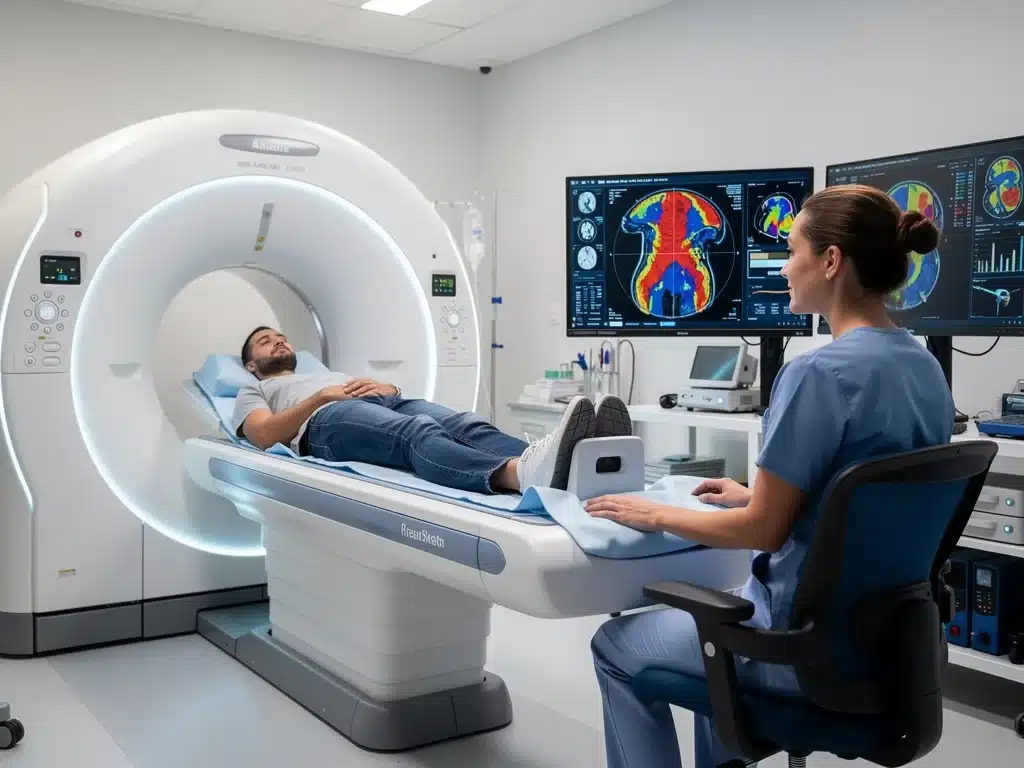
These devices are transforming how chronic diseases are managed, empowering patients to take a more active role in their health while providing clinicians with invaluable insights for Healthcare Innovation Breakthroughs.
Novel Drug Delivery Systems and Therapies
The development of novel drug delivery systems and advanced therapies is revolutionizing how medications are administered and how diseases are treated.
These innovations aim to improve drug efficacy, reduce side effects, and enhance patient adherence to treatment regimens.
From targeted drug delivery mechanisms that precisely direct medication to diseased cells to cell and gene therapies that offer curative potential for previously untreatable conditions, the pharmaceutical landscape is undergoing a dramatic transformation.
These are significant Healthcare Innovation Breakthroughs.
By 2026, these new approaches are expected to offer hope and effective treatments to numerous patients suffering from a wide range of complex and chronic diseases.
Targeted Drug Delivery for Enhanced Efficacy
Targeted drug delivery systems ensure that therapeutic agents reach their intended site of action with minimal impact on healthy tissues.
This is especially crucial in cancer treatment, where conventional chemotherapy often harms healthy cells alongside cancerous ones.
Nanotechnology, for instance, is being utilized to encapsulate drugs in nanoparticles that can specifically bind to cancer cells or deliver medication across biological barriers.
This precision maximizes treatment effectiveness while minimizing systemic toxicity, a key area of Healthcare Innovation Breakthroughs.
Such advancements promise a future where drugs are more potent and less harmful, significantly improving the patient experience and treatment outcomes.
Cell and Gene Therapies: A New Era of Cures
Cell and gene therapies represent a groundbreaking frontier in medicine, offering the potential to cure diseases at a molecular level.
These therapies involve introducing genetic material into a patient’s cells or modifying cells outside the body and reintroducing them.
Already, therapies for certain blood cancers and rare genetic disorders have received FDA approval, demonstrating remarkable success.
The pipeline for new cell and gene therapies is robust, with ongoing research targeting a vast array of conditions, including neurological diseases and autoimmune disorders.
- Curative potential for previously untreatable genetic diseases.
- Revolutionary treatments for various cancers and rare conditions.
- Long-term therapeutic effects from a single treatment.
Wearable Health Tech and Continuous Monitoring
The proliferation of wearable health technology is empowering individuals to take a more active role in managing their health.
These devices, ranging from smartwatches to specialized sensors, provide continuous data on vital signs, activity levels, sleep patterns, and even early signs of illness.
This constant stream of personal health data allows for proactive health management, early detection of potential issues, and personalized wellness recommendations.
The integration of these devices into routine healthcare is fostering a more preventive and patient-centric approach.
By 2026, wearable health tech is expected to be an integral part of millions of Americans’ health routines, contributing significantly to overall well-being and supporting Healthcare Innovation Breakthroughs.
Empowering Patients with Real-Time Health Data
Wearable devices provide users with immediate feedback on their health metrics, such as heart rate, oxygen saturation, and activity levels.
This data can motivate individuals to adopt healthier lifestyles and seek medical attention when anomalies are detected.
Many devices also offer features like fall detection for the elderly or continuous glucose monitoring for diabetics, providing crucial alerts and peace of mind.
The ability to track health trends over time enables better communication with healthcare providers.
This personal data empowers individuals to become more informed participants in their healthcare journey, leading to better self-management and improved health outcomes.
Integration with Clinical Care and Early Intervention
The true potential of wearable health tech is realized when its data seamlessly integrates with clinical care systems.
This allows healthcare providers to access a more comprehensive view of a patient’s health beyond intermittent office visits.
Early detection of subtle changes in physiological parameters can trigger timely interventions, potentially preventing acute medical events or chronic disease progression.
This proactive approach underscores the value of these Healthcare Innovation Breakthroughs.
- Proactive management of chronic conditions.
- Early detection of health anomalies.
- Enhanced communication between patients and providers.
Digital Therapeutics and Behavioral Health
Digital therapeutics (DTx) are emerging as a powerful tool in behavioral health, offering evidence-based therapeutic interventions delivered through software programs.
These programs are designed to prevent, manage, or treat a medical disorder or disease.
DTx can address a wide range of conditions, including anxiety, depression, substance abuse, and insomnia, providing accessible and scalable solutions.
They often complement traditional therapy or medication, offering personalized support and tracking patient progress.
The adoption of digital therapeutics is set to significantly expand access to mental and behavioral healthcare for millions of US patients by 2026, marking crucial Healthcare Innovation Breakthroughs.
Accessible and Scalable Mental Health Solutions
One of the primary benefits of digital therapeutics is their ability to provide mental health support on demand and at scale.
This addresses the significant challenge of access to care, especially in underserved areas or for individuals facing barriers to traditional therapy.
These programs can deliver cognitive behavioral therapy (CBT) techniques, mindfulness exercises, and other therapeutic interventions through engaging and interactive platforms.
This makes mental health support more approachable and consistent for users.
- Increased access to mental and behavioral health interventions.
- Personalized and engaging therapeutic experiences.
- Complementary support for traditional treatments.
Evidence-Based Interventions for Chronic Conditions
Digital therapeutics are not just for mental health; they are also being developed for a variety of chronic physical conditions.
For instance, DTx programs can help patients manage diabetes, hypertension, or chronic pain through guided interventions and behavioral modifications.
These programs are rigorously tested in clinical trials to ensure their efficacy and safety, much like traditional pharmaceuticals.
This evidence-based approach ensures that patients receive high-quality, effective care through digital channels.
The ability to deliver structured, personalized interventions through digital platforms represents a significant leap in managing chronic diseases, solidifying their place in Healthcare Innovation Breakthroughs.
Ethical Considerations and Regulatory Frameworks
As Healthcare Innovation Breakthroughs accelerate, so too do the ethical considerations and the need for robust regulatory frameworks. Ensuring patient safety, data privacy, and equitable access to these advanced technologies is paramount.
Regulatory bodies like the FDA are actively working to adapt existing guidelines and develop new ones that can keep pace with the rapid advancements in medical technology.
This involves balancing innovation with the imperative to protect public health.
Addressing these challenges proactively will be crucial for the successful and responsible integration of new technologies into the US healthcare system, ensuring their benefits reach all who need them.
Navigating Data Privacy and Security in Healthcare
The increasing reliance on digital health technologies generates vast amounts of sensitive patient data. Protecting this information from breaches and misuse is a critical ethical and legal challenge.
Robust cybersecurity measures, adherence to HIPAA regulations, and transparent data governance policies are essential to maintain patient trust and ensure the secure handling of health data.
This is a continuous effort in the evolving landscape of Healthcare Innovation Breakthroughs.
- Ensuring robust cybersecurity for patient data.
- Adherence to strict data privacy regulations like HIPAA.
- Transparent policies for data collection and usage.
Ensuring Equitable Access to Advanced Technologies
The cost and accessibility of advanced medical technologies pose significant challenges to equitable healthcare delivery. Innovations, while promising, must be made available to all segments of the population, not just those with ample resources.
Policymakers and healthcare leaders are grappling with strategies to ensure that these Healthcare Innovation Breakthroughs do not exacerbate existing health disparities.
This includes exploring new reimbursement models and fostering partnerships to expand reach.
The goal is to ensure that the transformative potential of these technologies benefits society as a whole, rather than creating a two-tiered healthcare system, a crucial aspect for future Healthcare Innovation Breakthroughs.
| Key Area | Impact by 2026 |
|---|---|
| Personalized Medicine | Tailored treatments for cancer, rare diseases, and pharmacogenomics. |
| AI in Diagnostics | Faster, more accurate disease detection from medical images and data. |
| Robotic Surgery | Minimally invasive procedures, reduced recovery times, enhanced precision. |
| Telemedicine/RPM | Expanded access to care, continuous monitoring for chronic conditions. |
Frequently Asked Questions on Healthcare Innovation
By 2026, key breakthroughs include advanced personalized medicine leveraging genomics, widespread adoption of AI for diagnostics and predictive analytics, sophisticated robotic surgery, and expanded telemedicine with remote patient monitoring. These innovations aim to significantly improve patient outcomes and access to care across the US.
These breakthroughs are expected to impact over 1 million US patients by offering more precise diagnoses, highly targeted treatments, faster recovery times, and increased access to specialized care. Patients will experience more personalized, efficient, and convenient healthcare services, leading to better health management and quality of life.
AI is pivotal in future healthcare innovation, enhancing diagnostic accuracy in medical imaging, powering predictive analytics for disease prevention, and streamlining administrative tasks. Its ability to process vast datasets rapidly enables earlier disease detection and more personalized treatment strategies, driving significant advancements in patient care.
Yes, ethical concerns primarily revolve around data privacy and security, the potential for exacerbating health disparities due to cost, and the responsible use of powerful technologies like gene editing. Regulatory bodies are actively developing frameworks to address these issues, ensuring safe and equitable access to innovations.
Patients benefit from telemedicine and remote monitoring through increased access to healthcare services, reduced travel time and costs, and continuous tracking of health data. This enables proactive management of chronic conditions, early intervention for health issues, and greater convenience in receiving medical advice and support from home.
Looking Ahead: The Future of US Healthcare
The landscape of US healthcare is undergoing an unprecedented transformation, driven by relentless Healthcare Innovation Breakthroughs.
These advancements promise a future where medical care is more precise, accessible, and effective for millions of patients.
The ongoing integration of genomics, AI, robotics, and digital therapeutics signals a paradigm shift from reactive to proactive and personalized healthcare.
Following reliable industry reporting at Healthcare Innovation Group provides valuable clarity on how these cutting-edge tools are moving from clinical trials into widespread deployment.
Monitoring these developments alongside regulatory frameworks and ethical discussions will be crucial as technology becomes more pervasive in care delivery.
Ultimately, the successful deployment of these innovations depends on collaborative efforts from researchers, healthcare providers, policymakers, and patients themselves, ensuring that the benefits of this new era in medicine are realized broadly and equitably across the nation.