Maximize Wardrobe Lifespan: 5 Apparel Care Techniques 2026
Advertisements
The U.S. fashion landscape is shifting from fast-production cycles to a “care-first” culture. Driven by new textile technologies and a surge in eco-conscious consumerism, mastering garment longevity has become a mainstream necessity.
This report provides verified, practical solutions to reduce textile waste and protect your investment.
By adopting these critical strategies, consumers can significantly decrease their environmental footprint while extending the life of their apparel. Here is what has changed in modern fabric care and how you can adapt your routine for 2026.
Advertisements
The Imperative of Mindful Washing: Beyond the Label
The first crucial step in extending garment life involves a fundamental rethinking of laundry practices. Many consumers default to standard washing machine cycles, often without considering the specific needs of different fabrics.
This oversight frequently leads to premature wear, color fading, and structural damage, directly impacting the overall wardrobe lifespan 2026. Adopting a more nuanced approach to washing can dramatically alter these outcomes.
Advertisements
Modern apparel often incorporates innovative blends and delicate finishes that require specialized care to maintain their integrity. Ignoring these details shortens the garment’s functional life and diminishes its aesthetic appeal.
Understanding Fabric Composition
Before any garment enters the wash, it is essential to identify its material. Natural fibers like cotton and linen behave differently from synthetics such as polyester or rayon, and blends present their own unique challenges.
Each fiber type reacts distinctly to water temperature, agitation, and detergents, necessitating a tailored approach. Proper identification is the cornerstone of effective garment care, directly contributing to maximizing your wardrobe’s lifespan.
- Always check the care label for specific instructions.
- Separate garments by color, fabric type, and washing requirements.
- Use cold water for most items to prevent shrinking and color bleed.
Optimizing Detergent and Cycle Selection
The choice of detergent and washing machine cycle plays a pivotal role in preserving apparel. Harsh chemicals and aggressive agitation can degrade fabric fibers over time, leading to pilling, stretching, or weakening.
Opting for gentle, eco-friendly detergents and selecting appropriate cycles like ‘delicate’ or ‘hand wash’ can significantly mitigate these risks. This careful selection is vital for extending the wardrobe lifespan 2026.
Furthermore, avoiding overfilling the washing machine ensures that clothes have enough space to move freely, reducing friction and wear.
This simple adjustment can make a substantial difference in maintaining fabric quality and shape, key for maximizing your wardrobe’s lifespan.
Strategic Drying Techniques: Air, Not Heat
While washing receives considerable attention, drying methods are equally critical for garment longevity. High heat from tumble dryers is a major culprit in fabric damage, causing shrinkage, fiber breakdown, and loss of elasticity.
Shifting towards air-drying or low-heat settings can drastically improve the condition and extend the life of your clothing. This conscious choice is a significant factor in enhancing the wardrobe lifespan 2026.
The environmental benefit of reducing energy consumption through air-drying also aligns with broader sustainability goals. It represents a practical and impactful solution for modern apparel care, reinforcing efforts for maximizing your wardrobe’s lifespan.
Embracing Air Drying for Delicates and Synthetics
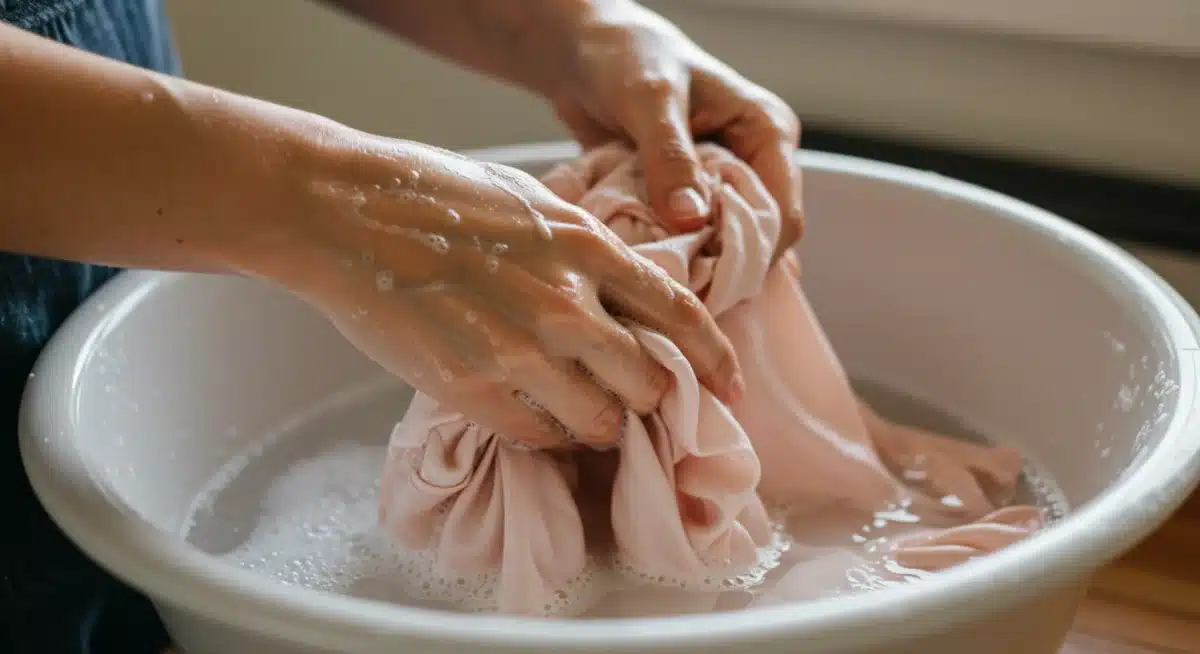
Delicate fabrics like silk, wool, and rayon are particularly susceptible to heat damage, making air drying an indispensable practice. Laying sweaters flat to dry prevents stretching, while hanging shirts and dresses on appropriate hangers helps maintain their shape.
Even robust fabrics benefit from air drying, as it minimizes stress on the fibers. This technique is fundamental for maximizing your wardrobe’s lifespan, ensuring garments retain their original fit and feel, a key aspect of the wardrobe lifespan 2026.
- Hang shirts and dresses on padded hangers to prevent marks.
- Lay knitwear flat on a clean surface to retain shape.
- Avoid direct sunlight for brightly colored items to prevent fading.
Utilizing Low Heat for Machine Drying
When machine drying is unavoidable, selecting the lowest heat setting available is crucial. Modern dryers often feature sensor-based technologies that can detect moisture levels and prevent over-drying, which is beneficial for fabric preservation.
Using dryer balls can also help reduce drying time and soften clothes naturally, diminishing the need for harsh chemicals. These practices contribute directly to prolonging the garment’s life, a core element of maximizing your wardrobe’s lifespan.
Regular cleaning of the lint trap is not only a fire safety measure but also improves dryer efficiency, impacting both garment care and energy consumption. This seemingly minor detail has a cumulative effect on the overall wardrobe lifespan 2026.
Intelligent Storage Solutions: Preserving Shape and Fabric
Proper storage is often an underestimated component of garment care, yet it profoundly impacts a clothing item’s longevity. Haphazard storage can lead to wrinkles, stretching, and even permanent damage, reducing the aesthetic and functional life of apparel.
Implementing intelligent storage solutions ensures that clothes maintain their shape, fabric integrity, and overall freshness. This proactive approach is essential for maximizing your wardrobe’s lifespan in 2026.
Beyond mere organization, strategic storage protects garments from environmental factors like dust, pests, and light exposure, which can degrade fabrics over time. It’s a foundational practice for a sustainable wardrobe.
Hangers, Folding, and Drawer Organization
The type of hanger used should correspond to the garment. Padded hangers are ideal for delicate blouses and knitwear, preventing shoulder bumps and stretching. Sturdy wooden hangers are suitable for coats and jackets, offering adequate support.
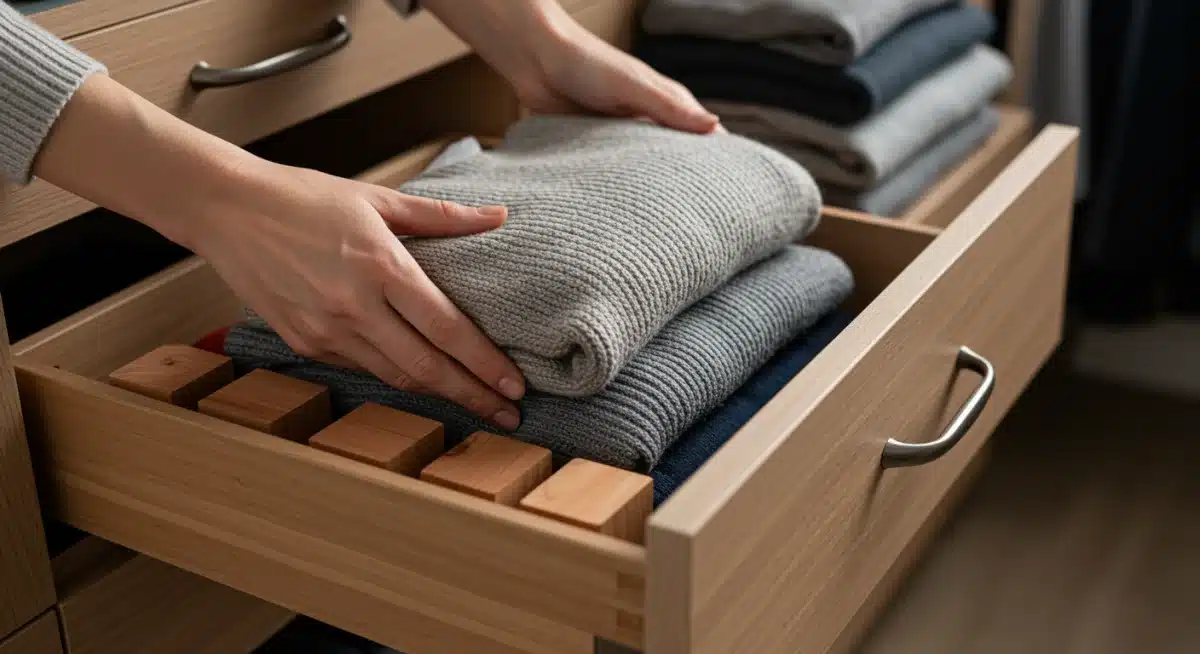
Folding, rather than hanging, is preferable for heavy knits and items prone to stretching, such as sweaters. This prevents distortion and maintains the garment’s original silhouette, directly impacting the wardrobe lifespan 2026.
- Use padded hangers for delicate items and knits.
- Fold heavy sweaters and denim to prevent stretching.
- Store seasonal clothes in breathable garment bags.
Protection from Pests and Environmental Factors
Moths, silverfish, and other pests can wreak havoc on natural fibers, particularly wool and silk. Incorporating natural deterrents like cedar blocks or lavender sachets into storage areas provides effective protection without harsh chemicals.
Ensuring that clothes are clean before storage also deters pests, as they are attracted to residual food particles or body oils. Protecting against these threats is a critical step in maximizing your wardrobe’s lifespan.
Furthermore, storing clothes in a cool, dry, and dark environment prevents discoloration and mildew growth. Breathable garment bags for seasonal items are preferable to airtight plastic containers, which can trap moisture and damage fabrics, vital for the wardrobe lifespan 2026.
Timely Repairs and Maintenance: Small Fixes, Big Impact
Ignoring minor damage to clothing is a common mistake that significantly shortens its life. A small tear, a loose button, or a fraying hem can quickly escalate into irreparable damage if not addressed promptly.
Cultivating a habit of timely repairs and proactive maintenance is a cornerstone of extending garment longevity. This practice is indispensable for maximizing your wardrobe’s lifespan, preventing the premature disposal of otherwise functional items.
The ability to perform basic repairs not only saves money but also fosters a deeper connection with one’s clothing, moving away from a disposable fashion mindset. It’s a practical skill directly contributing to a sustainable wardrobe lifespan 2026.
Addressing Minor Damages Promptly
Learning basic sewing skills, such as sewing on a button or mending a seam, empowers consumers to handle common apparel issues. Online tutorials and local workshops offer accessible resources for acquiring these valuable skills.
For more complex repairs, seeking a professional tailor or seamstress is a worthwhile investment. Their expertise can restore garments to their original condition, significantly extending their usable life and maintaining the wardrobe lifespan 2026.
- Sew on loose buttons immediately to prevent loss.
- Mend small tears or holes before they grow larger.
- Replace worn zippers or elastic bands as needed.
Regular Inspection and Care Routines
Establishing a routine for inspecting garments before and after wear can help identify potential issues early. Checking for loose threads, minor stains, or signs of wear allows for immediate intervention, preventing escalation.
Regular maintenance, such as depilling sweaters or shining shoes, also plays a role in keeping items in top condition. These small, consistent efforts are crucial for maximizing your wardrobe’s lifespan.
This proactive approach ensures that clothes remain presentable and functional for longer, embodying the principles of sustainable fashion. It directly contributes to a longer wardrobe lifespan 2026 by preventing minor issues from becoming major problems.
Mindful Wearing and Rotation: Reducing Everyday Strain
How often and how we wear our clothes significantly influences their durability. Constantly wearing the same items without adequate rest or rotation can lead to accelerated wear and tear, especially in high-stress areas like elbows, knees, and collars.
Practicing mindful wearing and strategic garment rotation allows fibers to recover and air out, prolonging their structural integrity. This approach is fundamental for maximizing your wardrobe’s lifespan.
It also encourages a more considered relationship with one’s clothing, moving beyond impulsive purchases towards a curated and well-maintained collection. This strategy directly supports the goal of a sustainable wardrobe lifespan 2026.
Rotating Garments and Limiting Frequent Washes
Not every item needs to be washed after every wear. Outerwear, denim, and some sweaters can often be worn multiple times before requiring a wash, especially if they are spot cleaned or aired out between uses.
Rotating outfits ensures that individual garments are not subjected to constant stress, allowing them to rest and regain their shape. This practice is vital for extending the overall wardrobe lifespan 2026.
- Air out garments between wears to reduce washing frequency.
- Rotate your clothing items to distribute wear evenly.
- Spot clean minor spills immediately instead of a full wash.
Protecting Clothes During Wear
Simple habits during daily use can protect garments from unnecessary wear. For instance, removing jackets before sitting for extended periods prevents creasing and stress on seams.
Wearing appropriate undergarments can also protect outer clothing from body oils and sweat, reducing the need for frequent washing. These small preventative measures contribute significantly to maximizing your wardrobe’s lifespan.
Being mindful of environmental factors, such as avoiding abrasive surfaces or harsh chemicals, further safeguards clothing. These conscious choices are integral to preserving the wardrobe lifespan 2026 and promoting sustainable consumption habits.
The Role of Sustainable Choices in Longevity
The journey to maximizing your wardrobe’s lifespan begins even before a purchase is made. Making informed, sustainable choices at the point of sale lays the groundwork for garment longevity, influencing everything from material quality to ethical production practices.
Investing in high-quality, durable materials and supporting brands committed to sustainable manufacturing are crucial steps. This initial consideration profoundly impacts how long an item will remain a functional part of your wardrobe.
Consumers are increasingly demanding transparency and accountability from fashion brands, driving a shift towards products designed to last. This aligns perfectly with the goal of an extended wardrobe lifespan 2026.
Prioritizing Quality Over Quantity
The allure of fast fashion often leads to accumulating numerous low-cost, low-quality items that quickly degrade. Shifting focus to fewer, higher-quality pieces represents a more sustainable and economically sound strategy.
High-quality fabrics and well-constructed garments inherently offer greater durability and resilience. This investment upfront translates into a longer usable life, reducing the need for frequent replacements and enhancing the overall wardrobe lifespan 2026.
Understanding the difference between durable and flimsy construction empowers consumers to make choices that truly support longevity. It’s a critical aspect of maximizing your wardrobe’s lifespan in a meaningful way.
Supporting Ethical and Sustainable Brands
Many brands are now prioritizing ethical production and sustainable materials, such as organic cotton, recycled polyester, or innovative bio-based fabrics. These materials often come with inherent durability benefits and reduced environmental impact.
By choosing brands that champion these values, consumers not only support responsible practices but also acquire garments designed for endurance. This conscious consumerism is vital for a sustainable wardrobe lifespan 2026.
Researching brand commitments to circular fashion, repair services, or buy-back programs further strengthens this approach. These initiatives actively contribute to maximizing your wardrobe’s lifespan by extending the product’s lifecycle beyond initial ownership.
Future Trends in Apparel Care Technology
As we advance into 2026, technological innovations are poised to further revolutionize apparel care. From smart fabrics to advanced laundry appliances, the future promises even more efficient and garment-friendly solutions.
These emerging technologies aim to simplify care routines while maximizing the wardrobe’s lifespan. They represent a significant leap forward in making sustainable fashion practices more accessible to the average consumer.
Anticipating these developments allows consumers to stay ahead of the curve, integrating new tools and methods into their care strategies. This forward-thinking approach will be key to maintaining an optimal wardrobe lifespan 2026 and beyond.
Smart Fabrics and Self-Cleaning Technologies
Research into smart fabrics that resist stains, odors, and wrinkles is rapidly progressing. These materials could significantly reduce the need for frequent washing and intensive care, thereby extending garment life.
Self-cleaning technologies, utilizing nanotechnology or photocatalysis, are also on the horizon, promising garments that require minimal intervention to stay fresh. Such innovations will dramatically impact efforts for maximizing your wardrobe’s lifespan.
- Explore garments made with odor-resistant and stain-repellent finishes.
- Investigate new fabric types that promise enhanced durability.
- Stay informed about advancements in textile science for future purchases.
Advanced Laundry Appliances and Eco-Friendly Solutions
Washing machines and dryers are becoming increasingly sophisticated, offering specialized cycles and features designed to protect delicate fabrics and conserve resources. Steam functions, for example, can refresh clothes without a full wash.
Developments in eco-friendly detergents and water-saving laundry systems also contribute to more sustainable care practices. These advancements collectively support the goal of a longer wardrobe lifespan 2026.
The integration of AI into home appliances could personalize care routines based on garment type and usage, further optimizing longevity. This intelligent approach will make maximizing your wardrobe’s lifespan easier and more effective for everyone.
| Key Technique | Brief Description |
|---|---|
| Mindful Washing | Tailored wash cycles and detergents based on fabric type to prevent damage. |
| Strategic Drying | Prioritizing air drying or low-heat machine settings to preserve fabric integrity. |
| Intelligent Storage | Proper hanging and folding, with pest protection, to maintain garment shape. |
| Timely Repairs | Addressing minor damages promptly to prevent escalation and extend usability. |
Frequently Asked Questions About Apparel Longevity
Maximizing wardrobe lifespan in 2026 is crucial due to growing environmental concerns and the push for sustainable consumption. It reduces textile waste, conserves resources, and lowers personal fashion costs, aligning with global efforts towards a circular economy. This practice benefits both the planet and individual finances.
Modern fabrics, often blends or synthetics, require specific care to maintain their unique properties. Traditional methods might damage innovative finishes or cause premature wear. Understanding these differences and adapting care, like using cold washes or specialized detergents, is essential for maximizing your wardrobe’s lifespan effectively.
Proper storage is vital for preventing damage from dust, pests, and environmental factors. Using appropriate hangers, folding heavy items, and protecting seasonal clothes in breathable bags maintains their shape and fabric integrity. This proactive approach significantly contributes to maximizing your wardrobe’s lifespan, avoiding early deterioration.
Yes, timely repairs are highly cost-effective for apparel longevity. Addressing minor issues like loose buttons or small tears prevents them from becoming larger, irreversible problems. This saves money on replacements and extends the functional life of garments, directly contributing to maximizing your wardrobe’s lifespan and promoting sustainable consumption habits.
By 2026, technology will significantly influence apparel care through smart fabrics that resist stains and odors, and advanced laundry appliances with specialized cycles. These innovations will simplify care routines, reduce washing frequency, and extend garment life, making it easier for consumers to achieve a longer wardrobe lifespan and support sustainable fashion.
Perspectives
The emphasis on Maximizing Your Wardrobe’s Lifespan: 5 Essential Care Techniques for Modern Apparel in 2026 (PRACTICAL SOLUTIONS) reflects a broader societal shift towards sustainability and conscious consumption.
As consumers in the United States become more aware of fashion’s environmental impact, the demand for practical, long-term garment care solutions will only intensify.
This trend suggests a future where mindful apparel maintenance is not just a niche practice but a mainstream expectation, reshaping both consumer habits and industry standards.
Ongoing developments in textile technology and smart appliances will further empower individuals to extend the life of their clothing, fostering a more sustainable and economically sensible approach to fashion.
Beyond maintenance, the foundation of sustainability lies in purchasing quality pieces; learning how to build a timeless wardrobe that lasts for years ensures that your care efforts are applied to garments designed for longevity.