US dollar decline impact on global economies
Advertisements
Understanding the US dollar decline impact is essential for anyone looking to secure their financial future in an increasingly interconnected world.
As the greenback’s dominance faces new pressures, the resulting shifts influence everything from the price of imported electronics to the long-term stability of retirement portfolios.
Advertisements
While currency volatility can seem like a distant concern of high-finance bankers, the reality is that these movements dictate your local purchasing power and the cost of global travel.
By staying informed on these trends, you can adapt your financial strategy to protect your assets and capitalize on emerging opportunities in a diversifying market.
Advertisements
Understanding the US dollar’s role in the global market
Understanding the US dollar’s role in the global market is crucial for anyone interested in international economics. This currency is not just a medium of exchange; it helps set the stage for global trade dynamics.
The dollar serves as the primary reserve currency for many nations, affecting their current account balances and economic stability.
Key Functions of the US Dollar
The US dollar operates in various capacities that influence the world. It is widely used in transactions across borders, which provides significant advantages:
- Stability: Countries trust the dollar for its consistency and reliability.
- Liquidity: The dollar is easily exchanged for other currencies, making it a preferred choice.
- Price Benchmark: Many commodities, such as oil, are priced in dollars, impacting discussions in global markets.
This strong position allows the United States to influence monetary policy globally. As the issuer of the main reserve currency, the US can manage its economy with less concern about balance of payments issues compared to other nations.
The Impact of Dollar Decline
When the US dollar experiences a decline, it has ripple effects globally. Other currencies may strengthen, which can alter trade balances and impact import prices.
Countries relying on dollar-denominated debt may face increased costs, threatening their economic stability.
Many businesses and consumers feel these effects directly as imported goods become more expensive. This could lead to inflationary pressures in several countries, creating a challenging scenario for policymakers.
In conclusion, the US dollar’s role is pivotal in the global economy. Understanding its functions and potential impacts helps individuals and businesses navigate financial uncertainties more effectively.
Keeping an eye on dollar fluctuations is essential for making informed decisions.
Key reasons behind the dollar’s decline
The decline of the US dollar can be traced to several interconnected factors that shape its value in the global market. Understanding these reasons helps illuminate why shifts in the dollar’s strength matter to economies and consumers alike.
Economic Policies
One significant factor contributing to the dollar’s decline is the economic policies enacted by the US government. When the Federal Reserve lowers interest rates, it can stimulate spending but might also weaken the dollar.
Lower rates reduce returns on investments denominated in dollars, making them less attractive to foreign investors.
- Quantitative Easing: This strategy involves large-scale purchases of government bonds, which increases the money supply and can lead to a weaker dollar.
- High National Debt: An increase in national debt can raise concerns about the US economy’s long-term stability, causing investors to seek stronger currencies.
- Trade Deficits: Persistent trade deficits suggest that the US imports more than it exports, which can exert downward pressure on the dollar.
Global economic conditions also play a vital role in the dollar’s standing. As other economies grow, the demand for alternative currencies increases, which can reduce the value of the dollar.
For instance, if the Eurozone or China shows significant economic growth, investors may shift their focus to those regions.
Geopolitical Factors
Furthermore, political stability and international relations affect how the dollar performs. Uncertainties related to geopolitical tensions often lead investors to reassess their risk exposure.
Heightened geopolitical tensions can cause fluctuations in currency markets, influencing the dollar’s appeal.
In summary, various factors contribute to the dollar’s decline, including economic policies, global competition, and geopolitical events.
Each of these elements interplays to create a complex financial landscape that can affect individuals and businesses globally.
Immediate effects on international trade
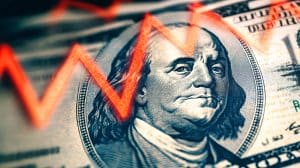
The immediate effects of the US dollar decline on international trade are profound and varied. When the dollar weakens, it can change the way countries do business with each other.
Pricing Changes
One of the first impacts is on pricing. A weaker dollar makes US exports cheaper for foreign buyers. This can lead to increased demand for American goods in global markets. Conversely, imports become more expensive for US consumers, which may reduce the variety of goods available.
- Export Benefits: Many US companies may see an immediate boost in sales internationally.
- Import Costs: Items like electronics or food can become pricier, impacting budgets for many households.
- Balance of Trade: A shift in the balance between exports and imports can influence national economic indicators.
As countries adjust to the changing dollar value, some conduct transactions in currencies other than the dollar. This increases competition among currencies, allowing nations to explore alternatives for trading purposes.
Market Reactions
Additionally, fluctuations in the dollar lead to rapid adjustments in financial markets. Investors often respond quickly to these changes, buying or selling currencies based on perceived risks and benefits.
Such actions can result in volatility in exchange rates, which influences business decisions and consumer confidence.
In many cases, small businesses that rely on importing goods can feel the squeeze as costs rise. This can create challenges in maintaining profit margins and passing on costs to customers.
Overall, while a weaker dollar may benefit some exporters, it presents difficulties for importers and domestic consumers trying to navigate a shifting economic landscape.
Long-term implications for currencies worldwide
The long-term implications of a declining US dollar can significantly reshape the landscape of global currencies. As the dollar weakens, countries may rethink their dependency on it, leading to a more diversified currency market.
Shift in Currency Reserves
Many countries hold US dollars as a part of their foreign exchange reserves. However, if the dollar’s value continues to decline, nations may start to diversify their reserves into other currencies such as the euro or the yuan. This could lead to:
- Increased Confidence in Alternatives: Establishing new reserve currencies can strengthen their economies.
- Reduced Dependency on the Dollar: Countries will seek to lessen the risks associated with holding a depreciating currency.
- New Trading Alliances: Nations may form alliances that favor mutual currencies over the dollar in trade agreements.
As nations begin to shift their reserves, the equilibrium in global finance can be altered. This may foster greater volatility as currencies compete for trade dominance.
Inflation and Economic Policy Changes
Moreover, a declining dollar can lead to inflationary pressures in various economies. As import prices increase, countries might need to adjust their economic policies to mitigate these effects. This adjustment could include:
- Interest Rate Changes: Central banks may need to increase rates to combat rising inflation.
- Fiscal Measures: Governments might implement fiscal policies aimed at stabilizing their economies.
- Trade Tariffs: Countries may introduce tariffs to protect domestic industries from cheap imports.
These reactions can further influence the valuation of other currencies, creating a cycle of fluctuations that could take years to stabilize.
As global dynamics shift in response to the dollar’s decline, the choices made now will lead to lasting changes in how countries interact economically.
How individuals can adapt to currency fluctuations
Adapting to currency fluctuations is essential for individuals, especially in a world where the US dollar may decline in value. Understanding how to respond to these changes can help people maintain their financial stability.
Budget Adjustments
One effective way to manage currency fluctuations is by revising personal budgets. Individuals should consider the following strategies:
- Track Expenses: Keeping a detailed record of all expenses helps identify areas where spending can be reduced.
- Plan for Price Changes: If certain goods become more expensive due to a weaker dollar, individuals may need to adjust their purchasing habits.
- Build an Emergency Fund: Having a financial cushion allows individuals to cope with sudden price increases or unexpected expenses.
By reviewing and adjusting their budgets, individuals can better navigate the challenges that come with currency fluctuations.
Understanding Investments
Individuals can also adapt by being mindful of their investments. It’s crucial to be aware of how currency swings impact the value of assets. Here are a few investment strategies to consider:
- Diversify Investment Portfolios: By spreading investments across different markets and asset types, individuals can minimize risks associated with currency changes.
- Consider Foreign Investments: Investing in international assets can be a hedge against a declining domestic currency.
- Stay Informed: Keeping up with economic news and trends allows investors to make informed decisions about their portfolios.
These steps can help individuals shield their finances from the negative impacts of a declining dollar and currency fluctuations.
Furthermore, individuals can consider using currency exchange services wisely. Monitoring exchange rates and using services that offer favorable rates for conversions can lead to significant savings.
Overall, proactive financial management is crucial for adapting to the complexities of currency fluctuations in an evolving economic landscape.
Conclusion
The landscape of global finance is shifting, and the US dollar decline impact is the primary signal of this evolution.
While a weaker dollar presents challenges for importers and travelers, it also offers a competitive spark for domestic exporters and an impetus for investors to diversify their holdings.
According to research by Morgan Stanley, the dollar’s recent declines are often a sign of a broadening global recovery, where growth outside the U.S. begins to outpace domestic gains.
This “rebalancing” suggests that while the dollar remains the world’s most important currency, its period of “exceptionalism” may be normalizing.
Staying adaptable and diversifying your geographic exposure will be the most effective way to thrive in this new economic environment.
FAQ – Frequently Asked Questions about Currency Fluctuations and Personal Finance
How can I adjust my budget for currency fluctuations?
Track your expenses closely and identify non-essential items to minimize spending during price increases.
What should I consider when investing during a declining dollar?
Diversify your investment portfolio to include assets in stable or foreign currencies to mitigate risk.
How can an emergency fund help me with currency changes?
Having an emergency fund provides a safety net for unexpected costs that arise from fluctuating prices.
Why is it important to stay informed about currency trends?
Being informed allows you to make proactive financial decisions, helping you navigate changes effectively.
Liked the article?