The Rise of Upcycled Fashion: How U.S. Brands are Transforming Waste into Wearable Art
Advertisements
As American closets undergo a cultural shift, Upcycled Fashion has emerged as the definitive bridge between high-end aesthetics and environmental responsibility.
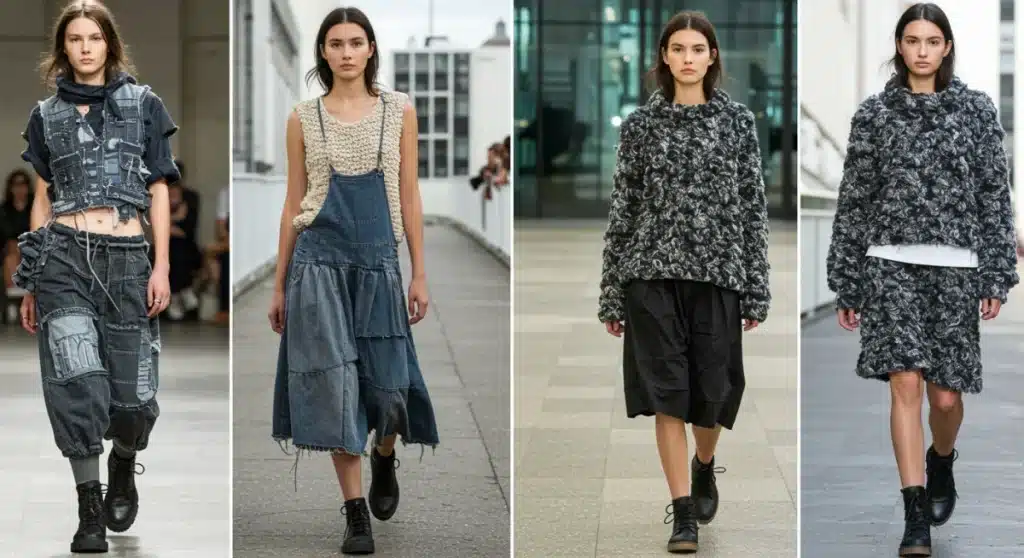
U.S. designers are no longer just making clothes; they are curating a revolution where discarded textiles find new life as luxury statements.
This movement toward circular design is gaining unprecedented momentum as federal and state regulations, like California’s Responsible Textile Recovery Act, reshape the industry landscape.
Advertisements
By 2026, the focus has shifted from niche hobbyism to a scalable economic model that prizes resource longevity and creative repurposing.
As major brands integrate these reclaimed materials into their core collections, the distinction between “waste” and “wealth” continues to blur. Dive into how these sustainable innovations are redefining the modern wardrobe and what steps you should watch for in this evolving market.
The Growing Momentum of U.S. Upcycled Fashion by 2026
The movement toward sustainable fashion has gained unprecedented traction across the United States. Consumers are increasingly demanding eco-conscious alternatives, pushing brands to innovate and adopt more responsible production methods.
Advertisements
This shift is particularly evident in the burgeoning sector of upcycled fashion, where waste materials are transformed into new, high-value garments.
The current trajectory indicates a significant market expansion for U.S. upcycled fashion 2026, driven by both consumer demand and legislative support.
Industry reports now project substantial growth, with numerous U.S. brands committing to circular design principles. This commitment not only addresses environmental concerns but also opens new avenues for creativity and economic development within the fashion industry.
Key Drivers Fueling Upcycled Fashion’s Ascent
Several critical factors are accelerating the adoption and innovation in upcycled fashion in the U.S. Environmental urgency stands as a primary catalyst, with the fashion industry being a major contributor to global waste and pollution.
Consumer awareness and ethical purchasing behaviors are also playing a crucial role. Shoppers are actively seeking brands that demonstrate transparency and a genuine commitment to sustainability, influencing market trends significantly.
Technological advancements in textile recycling and design software further empower brands to efficiently repurpose materials.
These innovations make the upcycling process more scalable and economically viable, fostering broader industry participation in the U.S. upcycled fashion 2026 movement.
Legislative Support and Industry Standards
Government initiatives and emerging industry standards are providing a robust framework for sustainable practices. These policies aim to reduce textile waste and encourage circular economy models within the fashion sector.
For example, proposed legislation focuses on extended producer responsibility, holding brands accountable for the lifecycle of their products.
This regulatory push is compelling many U.S. brands to invest in upcycling technologies and sustainable supply chains, solidifying the growth of U.S. upcycled fashion 2026.
- New policies promoting textile recycling and waste reduction.
- Government grants and incentives for sustainable fashion innovation.
- Industry collaborations establishing best practices for upcycling.
Consumer Demand and Shifting Values
A profound shift in consumer values is undeniable, with a growing preference for ethical and environmentally friendly products. Younger demographics, in particular, are driving this change, valuing sustainability over fast fashion.
This demographic shift is forcing brands to re-evaluate their production strategies and integrate upcycling into their core business models.
Brands that successfully communicate their sustainable efforts are gaining a competitive edge in the evolving market for U.S. upcycled fashion 2026.
Social media and influencer culture also amplify this trend, showcasing upcycled garments as desirable and fashionable. This cultural influence helps destigmatize repurposed clothing, making it more mainstream and appealing to a wider audience.
Innovative U.S. Brands Leading the Upcycling Charge
Numerous American brands are at the forefront of the upcycled fashion movement, demonstrating remarkable creativity and business acumen. These innovators are not just repurposing materials; they are redefining aesthetics and production processes.
From small, independent labels to established designers, the spectrum of brands embracing upcycling is expanding.
Their efforts showcase the diverse potential of transforming waste into wearable art, contributing significantly to the U.S. upcycled fashion 2026 landscape.
These pioneering companies are setting new benchmarks for sustainability, inspiring others to follow suit. Their success stories highlight that eco-friendly practices can coexist with profitability and high-quality design.
Pioneering Design and Repurposing Techniques
Leading upcycled brands are employing sophisticated techniques to transform discarded materials into unique collections. This often involves deconstructing existing garments, manipulating textiles, and combining disparate elements to create novel designs.
Designers are exploring artisanal methods alongside advanced manufacturing processes to maximize material utility and aesthetic appeal.
The focus is on creating pieces that are not only sustainable but also distinctive and highly desirable, marking a new era for U.S. upcycled fashion 2026.
Innovative brands are now implementing modular design systems that prioritize longevity, allowing for seamless repairs and effortless adaptations as styles evolve.
This structural flexibility is further enhanced by advanced textile manipulation techniques, which breathe new life into reclaimed materials by creating entirely new textures and avant-garde forms.
To elevate these garments into true wearable art, many labels are fostering unique collaborations with artists, ensuring every upcycled piece carries a distinct perspective and a narrative of creative renewal.
Scaling Upcycling: Challenges and Solutions
While the potential for upcycling is immense, scaling these practices presents unique challenges. Sourcing consistent quantities of high-quality waste materials remains a hurdle for many brands looking to expand their upcycled lines.
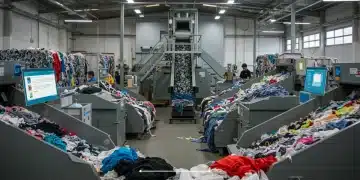
Logistical complexities in collecting, sorting, and processing diverse textile waste require innovative solutions.
Brands are exploring partnerships with textile recyclers and waste management companies to streamline these operations, crucial for the growth of U.S. upcycled fashion 2026.
Investment in specialized machinery and training for skilled artisans is also essential. Overcoming these obstacles will be key to making upcycled fashion a mainstream reality rather than a niche market.
Economic and Environmental Impact of U.S. Upcycled Fashion
The growth of upcycled fashion in the U.S. carries significant economic and environmental benefits. Economically, it stimulates job creation in design, manufacturing, and waste management sectors.
It also fosters innovation, leading to the development of new business models and supply chains. This economic revitalization contributes to a more resilient and diversified fashion industry, particularly as brands focus on U.S. upcycled fashion 2026 initiatives.
Environmentally, upcycling dramatically reduces textile waste sent to landfills, conserves resources like water and energy, and diminishes the reliance on virgin materials. These ecological advantages are paramount in addressing climate change and resource depletion.
Reducing Textile Waste and Carbon Footprint
The fashion industry is notorious for its waste generation, with millions of tons of textiles ending up in landfills annually. Upcycling directly intercepts this waste stream, diverting materials from disposal and giving them a new life.
By utilizing existing fabrics, upcycled fashion significantly lowers the demand for new material production, which is often resource-intensive.
This practice results in a smaller carbon footprint compared to traditional manufacturing processes, making U.S. upcycled fashion 2026 a critical component of environmental stewardship.
The energy savings from not having to produce new fibers and textiles are substantial. This contributes to overall greenhouse gas emission reductions, aligning with broader sustainability goals.
Job Creation and Local Economies
Upcycling often involves more labor-intensive processes, such as deconstruction, sorting, and hand-crafting, compared to mass-produced fast fashion. This creates new employment opportunities, particularly in local communities.
Many upcycled brands prioritize local sourcing and production, strengthening regional economies and fostering skilled craftsmanship. This localized approach contributes to economic resilience and community development, enhancing the impact of U.S. upcycled fashion in 2026.
The demand for specialized skills in textile repair, design, and repurposing can lead to training programs and educational initiatives. These programs further bolster the workforce and support the long-term viability of the upcycling sector.
The Role of Technology and Innovation in Upcycling
Technology is a transformative force in the evolution of upcycled fashion, enabling greater efficiency, scalability, and design possibilities. Digital tools are crucial for inventory management of disparate waste materials and for creating complex patterns from salvaged fabrics.
AI and machine learning are beginning to play a role in optimizing material sorting and identifying suitable textiles for upcycling.
These advancements streamline processes that would otherwise be labor-intensive and challenging to scale for the U.S. upcycled fashion in 2026 market.
Furthermore, 3D design software allows designers to visualize and experiment with upcycled materials virtually, reducing physical waste during the design phase. This integration of technology makes the entire upcycling process more sustainable and innovative.
Advanced Material Sourcing and Processing
The ability to efficiently source and process diverse waste materials is paramount for upcycling. Technologies such as automated sorting systems and advanced textile shredders are improving the quality and consistency of reclaimed fibers.
Innovations in textile regeneration, where old fibers are broken down and spun into new yarns, are bridging the gap between traditional recycling and upcycling.
These processes expand the types of materials that can be effectively repurposed, enhancing the scope of U.S. upcycled fashion 2026.
- Automated systems for identifying and categorizing textile waste.
- Chemical and mechanical recycling methods for complex fabric blends.
- Digital platforms connecting waste suppliers with upcycling brands.
Blockchain for Transparency and Traceability
Ensuring transparency and traceability in the upcycled fashion supply chain is increasingly important for consumers and regulators. Blockchain technology offers a robust solution for tracking materials from their waste origin to the final garment.
By creating an immutable record of each material’s journey, blockchain can verify the authenticity of upcycled claims and provide consumers with confidence in their purchases. This level of transparency is vital for building trust in the U.S. upcycled fashion 2026 market.
This technology also helps brands manage their inventory of reclaimed materials more effectively and demonstrate their commitment to ethical sourcing. It provides a clear audit trail, supporting both sustainability claims and regulatory compliance.
Challenges and Opportunities for U.S. Upcycled Fashion by 2026
Despite its rapid growth, the upcycled fashion sector in the U.S. faces inherent challenges that need addressing for sustained success. The variability of waste materials in terms of quantity, quality, and composition can complicate manufacturing processes.
Educating consumers about the value and aesthetic of upcycled products is another ongoing task. Overcoming perceptions that upcycled items are somehow inferior or less fashionable is crucial for market penetration and the mainstream acceptance of U.S. upcycled fashion 2026.
However, these challenges also present significant opportunities for innovation and market differentiation. Brands that can effectively manage material flows and communicate their unique value proposition will thrive in this evolving landscape.
Standardization and Quality Control
A lack of standardized processes for material collection and quality assessment can hinder the scalability of upcycling operations. Establishing industry-wide benchmarks for reclaimed textiles is essential.
Developing robust quality control mechanisms ensures that upcycled products meet consumer expectations for durability and finish. This standardization will help build consumer confidence and streamline production, a key factor for U.S. upcycled fashion 2026.
- Developing universal grading systems for textile waste.
- Implementing rigorous testing protocols for upcycled fabrics.
- Collaborative efforts to share best practices in quality assurance.
Market Education and Consumer Acceptance
Many consumers are still unfamiliar with upcycling or harbor misconceptions about its quality and style. Effective marketing and educational campaigns are vital to shift public perception.
Highlighting the unique narratives behind upcycled pieces, their artisanal quality, and their environmental benefits can resonate deeply with conscious consumers.
Showcasing high-fashion upcycled designs can also elevate its status, driving demand for U.S. upcycled fashion in 2026.
Collaborations with fashion influencers and celebrities can further popularize upcycled apparel, making it a coveted choice. This broadens its appeal beyond niche sustainability advocates to a wider fashion-forward audience.
The Future Outlook for U.S. Upcycled Fashion in 2026
Looking ahead to 2026, the trajectory for upcycled fashion in the U.S. appears strong and promising. Continuous innovation in design, material science, and supply chain management will drive further maturation of the market.
Increased investment from both established fashion houses and venture capitalists is expected to accelerate research and development in upcycling technologies.
This financial backing will enable brands to overcome current scaling limitations, expanding the reach of U.S. upcycled fashion in 2026.
Furthermore, as environmental regulations become more stringent and consumer demand for sustainable products intensifies, upcycling is poised to become an indispensable part of the mainstream fashion industry, moving beyond its current niche status.
Integration into Mainstream Retail
A significant trend expected by 2026 is the broader integration of upcycled collections into mainstream retail channels. Major department stores and online retailers are likely to dedicate more space to sustainable and upcycled offerings.
Collaborations between upcycled brands and fast-fashion giants, though controversial, could introduce sustainable options to a mass market.
This mainstream exposure is critical for solidifying the position of U.S. upcycled fashion 2026 as a viable and desirable choice for a diverse consumer base.
The increasing availability and accessibility of upcycled garments will democratize sustainable fashion. This shift will make eco-friendly choices less of a luxury and more of a standard expectation.
Circular Economy as the New Norm
By 2026, the principles of the circular economy are expected to become deeply embedded in the operational strategies of leading U.S. fashion brands. Upcycling will be a key component of a broader circular approach, emphasizing longevity, repair, and end-of-life solutions.
Brands will increasingly design products with their entire lifecycle in mind, from material sourcing to eventual repurposing or recycling.
This holistic approach ensures that resources are kept in use for as long as possible, minimizing waste and maximizing value, which is central to the vision of U.S. upcycled fashion 2026.
The shift towards a circular economy will not only benefit the environment but also create more resilient and efficient business models. It represents a fundamental rethinking of how fashion is produced, consumed, and ultimately valued.
Government and Policy Contributions to Upcycled Fashion
Government bodies and policymakers are increasingly recognizing the environmental and economic benefits of upcycled fashion. Their contributions through legislation, incentives, and partnerships are pivotal in shaping the industry’s future.
Regulatory frameworks aimed at reducing textile waste and promoting circularity are under development at both federal and state levels.
These policies provide the necessary push for brands to adopt more sustainable practices, including upcycling, to meet compliance standards for U.S. upcycled fashion in 2026.
Public-private partnerships are also emerging to fund research and development in textile recycling and upcycling technologies. These collaborations foster innovation and help scale solutions that are too costly or complex for individual companies to undertake alone.
Incentivizing Sustainable Practices
Various government incentives are being introduced to encourage brands to invest in sustainable production methods. These can include tax breaks for companies using recycled materials or grants for developing circular supply chains.
Such financial motivations reduce the economic barriers that brands might face when transitioning to upcycling. They make sustainable practices more attractive and competitive, accelerating the growth of U.S. upcycled fashion 2026.
To bolster the domestic industry, new government incentives offer significant tax credits for designers who prioritize reclaimed or recycled materials in their production cycles.
These financial benefits are complemented by specialized grants aimed at fueling research and development in sustainable textile technologies.
Furthermore, the expansion of the circular economy is being accelerated by direct subsidies designed to help brands establish local upcycling facilities and regional processing hubs.
Educational Initiatives and Public Awareness
Beyond direct policy, government-backed educational campaigns are crucial for increasing public awareness and acceptance of sustainable fashion. These initiatives help consumers understand the impact of their purchasing decisions.
By promoting the benefits of upcycled products, these campaigns can stimulate demand and support brands committed to ethical practices. This public education is vital for creating a receptive market for U.S. upcycled fashion.
Programs in schools and community centers can also foster a deeper understanding of textile waste and the value of repurposing. This cultivates a new generation of conscious consumers and designers who will further drive sustainability in fashion.
The Evolution of Supply Chains for Upcycled Materials
The traditional linear supply chain model is being rapidly reconfigured to accommodate the unique demands of upcycled fashion. This involves developing robust systems for collecting, sorting, and distributing diverse waste materials.
New logistical networks are emerging, focusing on regional hubs for textile collection and processing. These localized supply chains reduce transportation costs and environmental impact, crucial for the efficiency of U.S. upcycled fashion.
Collaboration between brands, waste management companies, and textile recyclers is becoming standard. This integrated approach ensures a steady and reliable flow of materials, transforming what was once waste into a valuable resource for the industry.
Decentralized Collection and Sorting Networks
To effectively manage the varied nature of textile waste, decentralized collection and sorting networks are gaining prominence. These systems allow for more efficient segregation of materials at the source, improving the quality of upcycling inputs.
Community-based collection points and advanced sorting facilities utilize technology to categorize textiles by fiber type, color, and condition. This precision is essential for matching materials with appropriate upcycling processes, enhancing the viability of U.S. upcycled fashion in 2026.
- Local drop-off centers for textile donations and waste.
- Automated optical sorting technology for mixed textiles.
- Partnerships with charities and thrift stores for material acquisition.
Digital Platforms for Material Exchange
Digital platforms are revolutionizing how upcycling brands source their materials. These online marketplaces connect textile waste generators with designers and manufacturers, streamlining the procurement process.
These platforms often provide detailed information about available materials, including fiber composition, quantity, and location, allowing brands to make informed decisions. This digital infrastructure is a game-changer for scaling upcycled fashion in the U.S. by 2026.
By facilitating easy access to diverse waste streams, these platforms reduce reliance on traditional supply chains and foster a more interconnected and circular fashion ecosystem. They enable smaller brands to compete with larger players in sourcing sustainable inputs.
| Key Point | Brief Description |
|---|---|
| Market Growth | U.S. upcycled fashion projected for significant expansion by 2026, driven by demand. |
| Environmental Impact | Reduces textile waste, conserves resources, and lowers carbon footprint. |
| Innovation Drivers | Technology, policy, and consumer demand are accelerating upcycling advancements. |
| Future Outlook | Mainstream integration and circular economy principles expected by 2026. |
Frequently Asked Questions About U.S. Upcycled Fashion
Upcycled fashion involves transforming discarded materials, such as old garments or fabric scraps, into new products of higher quality or environmental value. Unlike recycling, which often degrades materials, upcycling enhances them, giving them a second life and reducing waste significantly in the U.S. upcycled fashion 2026 market.
Its popularity stems from growing environmental consciousness among consumers and brands, coupled with a desire for unique, sustainable products. The movement addresses textile waste, reduces reliance on new resources, and fosters creativity, making U.S. upcycled fashion 2026 a vital trend.
U.S. brands are crucial innovators, developing new techniques for material repurposing and integrating upcycling into their business models. They are also educating consumers and advocating for policy changes that support a circular economy for fashion, driving the growth of U.S. upcycled fashion 2026.
Key challenges include sourcing consistent quantities of quality waste materials, scaling production efficiently, and overcoming consumer misconceptions about upcycled products. Standardization and effective supply chain management are vital for the continued expansion of U.S. upcycled fashion 2026.
Technology will significantly enhance material sorting, design, and supply chain transparency through AI, 3D design, and blockchain. These advancements will make upcycling more scalable, efficient, and traceable, further solidifying the market for U.S. upcycled fashion 2026.
Looking Ahead
The ongoing transformation in the fashion industry, particularly concerning U.S. upcycled fashion in 2026, signals a fundamental shift towards sustainability.
It is crucial to monitor policy developments, technological advancements, and consumer adoption rates as they will dictate the pace and scale of this evolution.
The integration of upcycling into mainstream retail and the strengthening of circular economy principles are key indicators for the future, promising a more responsible and innovative apparel landscape.
The continuous growth of U.S. upcycled fashion in 2026 is a testament to the industry’s capacity for change.