Why 12 Major Universities Reinstated Mandatory SAT and ACT Score Submissions for 2026 Applicants

Advertisements
Are test-free college applications officially a thing of the past? The mandatory SAT and ACT score submission is making a swift comeback across elite higher education, turning admissions strategies upside down.
Top-tier higher education institutions are officially ending test-optional policies, signaling a major structural shift in how future classes are evaluated.
Internal data reveals that standardized assessment results remain the most reliable predictor of academic success and post-secondary readiness. Admissions offices argue that uniform testing benchmarks level the playing field, cutting through nationwide grade inflation and varied high school curricula.
Advertisements
For high school applicants, this policy reversal transforms holistic review expectations overnight. Mastering college entrance exams is once again a central priority, requiring families to adjust test preparation plans to secure a competitive edge at selective universities.
The Reversal: A New Era for University Admissions
The academic landscape is undergoing a notable transformation as twelve major universities have officially announced the reinstatement of mandatory SAT and ACT score submissions for their 2026 applicant pool.
This pivotal decision signals a departure from the test-optional policies that gained widespread adoption in recent years, particularly during the pandemic.
Advertisements
This policy change necessitates a re-evaluation of application strategies for prospective students, who must now factor standardized test scores back into their college preparation plans.
The shift underscores a growing consensus among these institutions regarding the value and utility of these exams in assessing applicant readiness.
University administrators and admissions committees cite various factors contributing to this reversal, including concerns about grade inflation, a desire for more consistent applicant data, and the belief that standardized tests can provide a clearer picture of academic potential.
The implications for equity and access remain a central point of discussion.
The return to mandatory testing for 2026 applicants reflects a complex interplay of institutional priorities and evolving insights into holistic review processes.
This development highlights the dynamic nature of university admissions and the continuous effort to refine criteria for selecting future cohorts.
Driving Factors Behind the Reinstatement
Several key considerations have influenced the decisions of these twelve universities to bring back mandatory SAT and ACT submissions.
One primary factor is the perceived inconsistency in high school grading standards, which some institutions believe has made it harder to compare applicants from diverse educational backgrounds.
Standardized tests are viewed by some as providing an objective, common metric that can help level the playing field, offering a consistent benchmark across different high schools and curricula.
This perspective suggests that test scores can act as a reliable predictor of college success, complementing other application components.
Furthermore, some institutions report that test-optional policies did not significantly broaden diversity or access as much as anticipated, prompting a re-evaluation of their effectiveness.
The desire for a more robust and comprehensive dataset for admissions decisions also plays a crucial role in this policy reversal.
- Grade Inflation Concerns: Universities seek a consistent measure amidst varying high school grading standards.
- Predictive Validity: Belief that SAT/ACT scores offer reliable insights into college academic performance.
- Holistic Review Enhancement: Standardized scores are seen as adding valuable data to a comprehensive applicant profile.
- Research Findings: Some institutions’ internal research suggests test scores correlate with student success.
The debate surrounding the efficacy and fairness of standardized tests is ongoing, yet these universities have concluded that for their specific admissions goals, these scores are a valuable, if not essential, component.
Impact on Prospective Students and High Schools
The reinstatement of mandatory SAT and ACT scores for 2026 applicants directly impacts millions of high school students across the United States.
Students now face the renewed pressure of preparing for and performing well on these exams, adding another layer to the already competitive college application process.
High schools and their counseling departments are also adjusting their guidance and resources to support students effectively. This includes emphasizing test preparation programs, offering practice tests, and providing advice on test-taking strategies to help students meet the new requirements.
The policy change could also influence students’ course selections, with some potentially prioritizing classes that align more closely with test content. The financial implications for test preparation resources and fees for multiple attempts also become a more significant consideration for families.
This shift necessitates a proactive approach from students and educators to ensure that applicants are well-equipped to navigate the updated admissions landscape. The emphasis on standardized testing requires a strategic re-alignment of academic and extracurricular efforts.
Navigating the New Requirements for 2026 Applicants
For students targeting the 12 universities that have reinstated mandatory SAT and ACT scores, understanding the nuances of these requirements is paramount. This involves not only preparing for the exams but also strategically planning when to take them to maximize opportunities for strong scores.
Early preparation is key, allowing students multiple attempts to achieve their best scores without overwhelming their senior year. Utilizing available resources, such as official practice tests, online courses, and tutoring, can significantly improve performance.
Furthermore, students should continue to focus on maintaining strong academic records and engaging in meaningful extracurricular activities, as these remain vital components of a holistic application. Standardized test scores are now a significant piece, but not the sole determinant, of admission.
- Early Preparation: Start studying for SAT/ACT well in advance of application deadlines.
- Multiple Attempts: Plan to take the exams more than once to improve scores.
- Resource Utilization: Leverage official practice materials, online tools, and school resources.
- Holistic Approach: Continue to excel academically and participate in extracurriculars.
The reinstatement underscores the importance of a balanced application, where strong test scores complement a compelling academic and personal profile. It’s about demonstrating readiness from multiple angles.
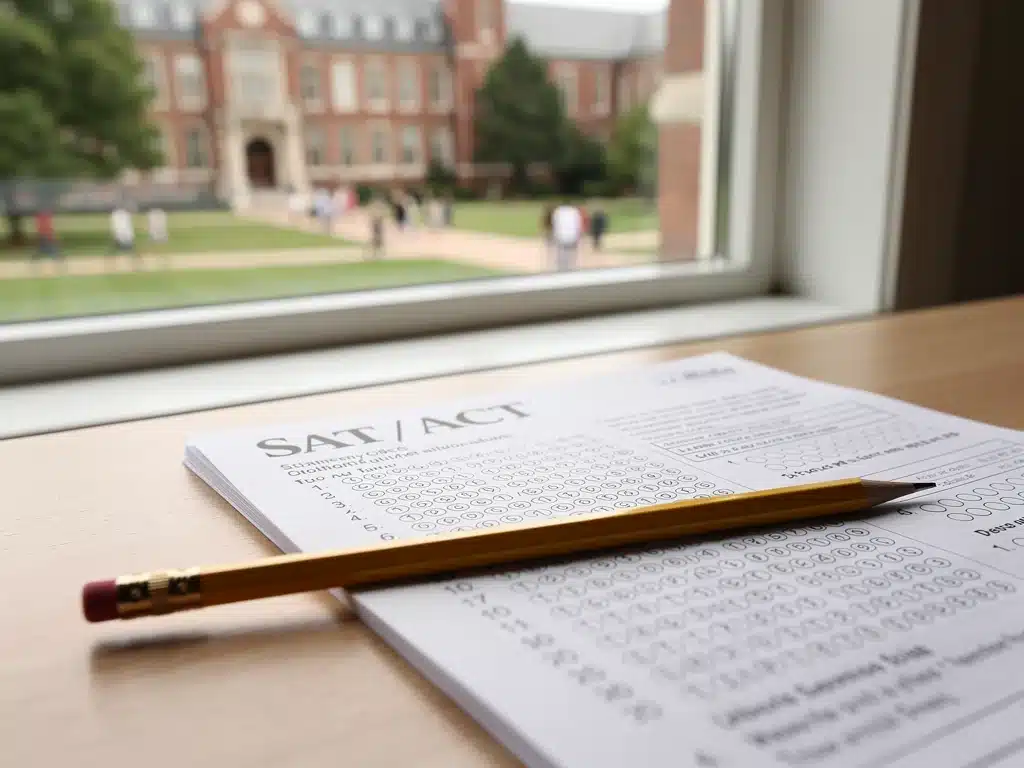
Equity and Access Concerns Revisited
The decision by Universities Reinstated Mandatory SAT and ACT Score Submissions has rekindled vigorous debates surrounding equity and access in higher education.
Critics argue that standardized tests inherently favor students from higher socioeconomic backgrounds who can afford expensive test preparation courses and tutoring.
These concerns highlight the potential for standardized tests to exacerbate existing disparities, creating additional barriers for underrepresented minority students and those from low-income families.
The argument posits that reliance on these scores could inadvertently limit diversity within university cohorts.
Conversely, proponents of mandatory testing argue that test-optional policies did not significantly improve diversity and, in some cases, may have even complicated the admissions process by making it less transparent.
They suggest that standardized scores can identify talent that might not be evident solely through grades and essays.
The universities reinstating these requirements maintain that they are committed to diversity and will continue to implement holistic review processes. They argue that test scores provide one piece of data that, when considered alongside other factors, can help identify a broad range of qualified candidates.
Debating the Role of Standardized Tests in Promoting Diversity
The discussion about Universities Reinstated Mandatory SAT and ACT Score Submissions often centers on whether these tests serve as gatekeepers or as tools for identifying potential.
Advocates for test-blind or test-optional policies emphasize the socioeconomic biases embedded in standardized testing.
They point to the strong correlation between family income and test scores, suggesting that the tests measure access to resources more than innate ability. This perspective calls for alternative methods of assessment that are less susceptible to such external influences.
However, some research presented by universities suggests that when combined with other application materials, standardized tests can help identify high-achieving students from disadvantaged backgrounds who might otherwise be overlooked.
These institutions are exploring ways to mitigate biases, such as offering fee waivers and providing comprehensive support for test preparation.
The complexity of this issue means there is no easy answer, and universities are continually striving to balance the need for objective assessment with the imperative to foster diverse and inclusive student bodies.
The conversation around Universities Reinstated Mandatory SAT and ACT Score Submissions remains at the forefront of educational policy discussions.
The University Perspective: Rationales and Research
The 12 major universities that have opted to reinstate mandatory SAT and ACT scores have articulated clear rationales, often backed by internal research and data analysis. Their decisions are not arbitrary but stem from a careful evaluation of admissions outcomes under test-optional policies.
Many institutions observed that while test-optional policies increased application numbers, they did not necessarily lead to a more diverse applicant pool or significantly alter the academic profile of admitted students.
Some found that students who submitted scores, even when optional, often performed better academically in college.
These findings suggest that for certain institutions, standardized tests remain a valuable tool for predicting college success and ensuring students are adequately prepared for the academic rigor of their programs. The data-driven approach informs their decision to revert to previous policies.
Universities are also keen to maintain academic standards and ensure that admitted students possess the foundational knowledge and skills required for their demanding curricula. Standardized tests are perceived as a consistent measure of these critical competencies.
Internal Data and Academic Performance
A significant driver behind Universities Reinstated Mandatory SAT and ACT Score Submissions is the internal data collected during the test-optional period.
Many universities conducted extensive analyses comparing the college performance of students who submitted scores versus those who did not.
These studies often revealed that, on average, students who submitted competitive SAT or ACT scores tended to have higher GPAs and better retention rates in their first year of college. This correlation, while not absolute, provided a compelling argument for the predictive value of these exams.
Furthermore, some institutions reported challenges in accurately assessing the academic preparedness of applicants from schools with significant grade inflation or less rigorous curricula, without the objective benchmark provided by standardized tests. The tests offered a crucial piece of comparative data.
The universities emphasize that these decisions are not about excluding students but about ensuring that admitted students are set up for success from day one.
The data-driven insights are central to understanding Universities Reinstated Mandatory SAT and ACT Score Submissions.

Future Outlook and Broader Implications
The decision by Universities Reinstated Mandatory SAT and ACT Score Submissions could trigger a ripple effect across the higher education landscape. Other institutions currently operating under test-optional policies may observe the outcomes and consider similar reversals in the coming years.
This shift could lead to a broader resurgence in the importance of standardized testing, influencing test preparation industries, high school curricula, and student application strategies nationwide. The trend could redefine what it means to be a competitive applicant for top universities.
It also places renewed pressure on test developers to address ongoing criticisms regarding equity and access, potentially leading to reforms in test design and administration. The conversation about fair and effective admissions practices will continue to evolve.
Potential Policy Shifts in Other Institutions
The move by these twelve universities to reinstate mandatory SAT and ACT scores for 2026 applicants sets a precedent that many other institutions will undoubtedly scrutinize.
Universities continuously monitor peer institutions and evaluate their own admissions policies based on evolving data and strategic goals.
If the reinstating universities report positive outcomes in terms of student academic success, retention, and even diversity (through refined holistic review), it could encourage other test-optional schools to reconsider their stances. This could lead to a gradual but significant shift back towards standardized testing.
Conversely, if the policy reversal faces significant backlash or does not yield the desired results, it could reinforce the arguments for test-optional or test-blind approaches. The coming years will be crucial for observing the long-term impacts of these decisions on the broader higher education ecosystem.
- Peer Influence: Other universities may follow suit if positive outcomes are demonstrated.
- Data-Driven Decisions: Future policy shifts will likely be based on observed success or challenges.
- Test Developer Response: Increased pressure for SAT/ACT to address equity concerns and innovate.
- Evolving Debate: The discussion on standardized testing’s role in admissions will intensify.
The landscape of university admissions is dynamic, and the recent decisions by these 12 major universities are a significant development that will shape future policies and practices across the nation.
| Key Point | Brief Description |
|---|---|
| Policy Reversal | 12 major universities reinstated mandatory SAT/ACT for 2026 applicants. |
| Driving Factors | Concerns over grade inflation, desire for consistent data, and internal research. |
| Student Impact | Renewed focus on test preparation and strategic planning for applicants. |
| Equity Debate | Ongoing discussions about socioeconomic biases and access in testing. |
Frequently Asked Questions About University SAT/ACT Reinstatement
While specific university names vary and are subject to change, a prominent group of 12 major institutions have publicly announced this policy shift. These include universities from various regions, all emphasizing the value of standardized tests in their admissions process for the 2026 applicant pool. Students should verify the current requirements for their target institutions.
The primary reasons cited include concerns about grade inflation in high schools, the need for a consistent and objective measure to compare applicants from diverse backgrounds, and internal research indicating a correlation between test scores and college academic success. These factors aim to enhance the holistic review process.
For 2026 applicants, this means standardized SAT/ACT scores are once again a mandatory component of their application to these specific universities. Students must prioritize test preparation, plan to take the exams, and aim for competitive scores in addition to maintaining strong academic records and extracurricular involvement.
It is possible. The decisions by these 12 major universities could influence other institutions currently operating under test-optional policies. Many universities continuously evaluate their admissions strategies based on peer practices and internal data. The long-term outcomes of this reinstatement will likely inform future policy shifts across higher education.
Numerous resources are available, including official College Board (SAT) and ACT practice tests, online study platforms, tutoring services, and high school-provided preparation courses. Students should leverage these tools early in their high school careers to adequately prepare and potentially take the exams multiple times to achieve their best scores.
Looking Ahead
The reinstatement of mandatory SAT and ACT score submissions by 12 major universities marks a significant pivot in higher education admissions. This decision underscores a renewed emphasis on standardized metrics as a crucial component of evaluating academic preparedness and potential.
As the 2026 application cycle approaches, prospective students and educators must adapt to these updated requirements, focusing on comprehensive preparation.
The broader implications for equity, access, and the future of test-optional policies across the nation will continue to unfold, shaping the landscape of university admissions for years to come.